Buy europeanpirateparty.eu ?
We are moving the project
europeanpirateparty.eu .
Are you interested in purchasing the domain
europeanpirateparty.eu ?
domain@kv-gmbh.de · 0541-91531010
Buy europeanpirateparty.eu ?
What is a glycosidic bond?
A glycosidic bond is a type of covalent bond that joins a carbohydrate molecule to another group, which can be another carbohydrate or a non-carbohydrate molecule. It is formed through a condensation reaction between the hydroxyl group of one molecule and the anomeric carbon of another molecule, resulting in the loss of a water molecule. Glycosidic bonds are important in the structure of carbohydrates, such as in forming disaccharides like sucrose or polysaccharides like starch. **
What is the glycosidic bond in sucrose?
The glycosidic bond in sucrose is a type of covalent bond that links the glucose and fructose molecules together. It is a specific type of linkage known as an alpha-1,2-glycosidic bond, which forms between the carbon-1 atom of glucose and the carbon-2 atom of fructose. This bond is responsible for the formation of the disaccharide sucrose, which is commonly known as table sugar. **
Similar search terms for Glycosidic
Top-Angebote
Products related to Glycosidic:
-
Inspired Finds Nautical Fishing Net Wall Hanging Coastal Beach Party Decor Hawaiian Pirate Theme Nautical Fishing Net Wall Hanging Coastal Beach Party Decor Hawaiian Pirate ThemeTurn any space into a seaside escape with this versatile fishing net wall decor inspired by coastal living and ocean adventures. Whether you're styling a party or refreshing your room, this nautical wall hanging instantly brings a relaxed beach...34,99 $*Shipping: 0,00 $Secure redirect to the provider
-
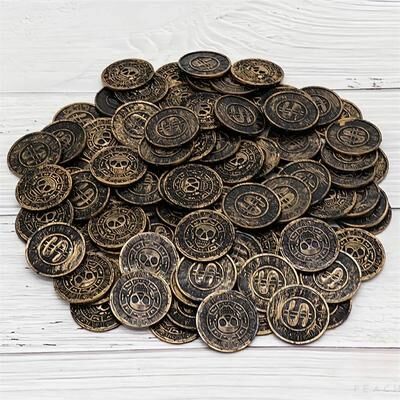
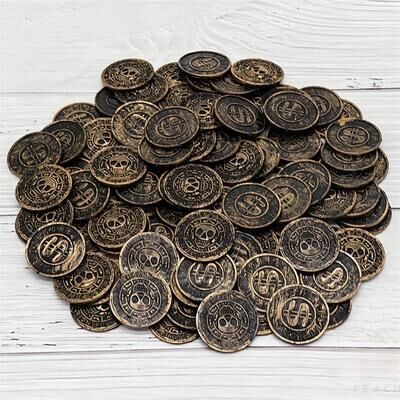
Uplift Treasures Retro Pirate Treasure Coins Party Favor Set bronze 20pcsProduct Description: Add excitement to your pirate adventures with these retro pirate treasure coins. Perfect for treasure hunts, birthday parties, Halloween events, classroom rewards, cosplay, and party favors, these realistic plastic coins make...41,97 $*Shipping: 0,00 $Secure redirect to the provider
-
Uplift Curations Naval Fishing Net Wall Hanging Coastal Beach & Pirate Theme Decor For Home & Party Naval Fishing Net Wall Hanging Coastal Beach & Pirate Theme Decor For Home & PartyTurn any space into a breezy coastal escape with this stunning fishing net wall decor. Inspired by authentic seaside styling, this nautical wall hanging instantly adds texture, depth, and ocean charm to your walls. Whether you're decorating for a...65,00 $*Shipping: 0,00 $Secure redirect to the provider
-
Inspire Essentials Retro Pirate Treasure Coins Party Set 50 PcsTurn any party or game into a treasure hunting adventure with these pirate treasure coins. Designed with a vintage inspired look these fake gold coins add instant pirate character to treasure chests party tables and imaginative games. Lightweight...44,98 $*Shipping: 0,00 $Secure redirect to the provider


-
What is a glycosidic bond in sucrose?
A glycosidic bond in sucrose is a type of covalent bond that links the glucose and fructose molecules together. It is formed through a condensation reaction, where a molecule of water is removed to join the two sugar molecules. This bond is important for the structure and function of sucrose, as it holds the two sugar molecules together and allows for the storage and transport of energy in plants. **
-
How to draw trehalose in a 2-11 glycosidic linkage?
To draw trehalose in a 2-11 glycosidic linkage, start by drawing two glucose molecules. Connect the first glucose molecule's carbon 2 to the second glucose molecule's carbon 1 with a glycosidic bond. This linkage represents the 2-1 glycosidic bond. Next, add another glucose molecule and connect its carbon 1 to the second glucose molecule's carbon 1 with a glycosidic bond. This linkage represents the 1-1 glycosidic bond. This structure represents trehalose in a 2-1,1 glycosidic linkage. **
-
Why is there a beta-1,4-glycosidic bond in lactose?
The beta-1,4-glycosidic bond in lactose is formed between the glucose and galactose molecules. This bond is important because it determines the structure and properties of lactose. The beta configuration of the glycosidic bond in lactose allows for the formation of a specific three-dimensional structure that is essential for its function as a disaccharide sugar found in milk. This bond also influences the way lactose is digested by the enzyme lactase in the human body. **
-
How do you draw trehalose in a 2-11 glycosidic bond?
To draw trehalose in a 2-11 glycosidic bond, you would first draw two glucose molecules connected by an alpha-1,1 glycosidic bond. Then, you would add another glucose molecule to the first glucose molecule in the 2 position, forming a 1,2 glycosidic bond. Finally, you would add the last glucose molecule to the second glucose molecule in the 1 position, forming a 2,1 glycosidic bond. This structure represents trehalose in a 2-11 glycosidic bond. **

How do you draw trehalose in a 2-11 glycosidic linkage?
To draw trehalose in a 2-11 glycosidic linkage, start by drawing two glucose molecules connected by an alpha-1,1 glycosidic bond. Then, draw another glucose molecule connected to the first glucose molecule in the pair by an alpha-1,2 glycosidic bond. This creates the 2-11 glycosidic linkage in trehalose. The resulting structure should show three glucose molecules connected in a linear fashion with the 2-11 glycosidic linkage between the first and third glucose molecules. **
What are the differences between an ester bond and glycosidic formation?
An ester bond is formed when a carboxyl group of one molecule reacts with a hydroxyl group of another molecule, resulting in the formation of an ester and the release of water. This type of bond is commonly found in lipids and is important for energy storage. On the other hand, glycosidic formation involves the bonding of a sugar molecule to another molecule, typically another sugar or an alcohol, through the reaction between the anomeric carbon of the sugar and a hydroxyl group of the other molecule. This type of bond is important for the formation of carbohydrates and is commonly found in polysaccharides such as starch and cellulose. **
Top-Angebote
Products related to Glycosidic:
-
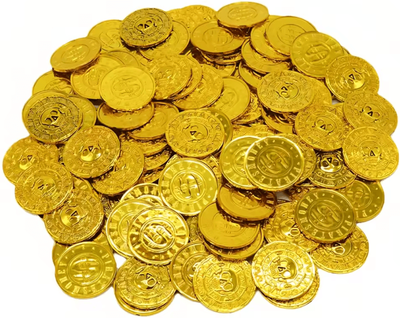
Inspire Curations Retro Pirate Gold Coins Pirate Coins For Treasure Hunts, Party Favors & Halloween Decor gold 20pcsBring every pirate adventure to life with these realistic pirate coins. Available in packs of 20, 50, or 100 pieces, these retrostyle plastic treasure coins are perfect for piratethemed birthday parties, treasure hunts, Halloween decorations,...53,00 $*Shipping: 0,00 $Secure redirect to the provider
-
Inspire Essentials Retro Pirate Treasure Coins Party Set 20 PcsTurn any party or game into a treasure hunting adventure with these pirate treasure coins. Designed with a vintage inspired look these fake gold coins add instant pirate character to treasure chests party tables and imaginative games. Lightweight...39,98 $*Shipping: 0,00 $Secure redirect to the provider
-
Inspired Finds Nautical Fishing Net Wall Hanging Coastal Beach Party Decor Hawaiian Pirate Theme Nautical Fishing Net Wall Hanging Coastal Beach Party Decor Hawaiian Pirate ThemeTurn any space into a seaside escape with this versatile fishing net wall decor inspired by coastal living and ocean adventures. Whether you're styling a party or refreshing your room, this nautical wall hanging instantly brings a relaxed beach...34,99 $*Shipping: 0,00 $Secure redirect to the provider
-
Uplift Treasures Retro Pirate Treasure Coins Party Favor Set bronze 20pcsProduct Description: Add excitement to your pirate adventures with these retro pirate treasure coins. Perfect for treasure hunts, birthday parties, Halloween events, classroom rewards, cosplay, and party favors, these realistic plastic coins make...41,97 $*Shipping: 0,00 $Secure redirect to the provider
-
What is a glycosidic bond?
A glycosidic bond is a type of covalent bond that joins a carbohydrate molecule to another group, which can be another carbohydrate or a non-carbohydrate molecule. It is formed through a condensation reaction between the hydroxyl group of one molecule and the anomeric carbon of another molecule, resulting in the loss of a water molecule. Glycosidic bonds are important in the structure of carbohydrates, such as in forming disaccharides like sucrose or polysaccharides like starch. **
-
What is the glycosidic bond in sucrose?
The glycosidic bond in sucrose is a type of covalent bond that links the glucose and fructose molecules together. It is a specific type of linkage known as an alpha-1,2-glycosidic bond, which forms between the carbon-1 atom of glucose and the carbon-2 atom of fructose. This bond is responsible for the formation of the disaccharide sucrose, which is commonly known as table sugar. **
-
What is a glycosidic bond in sucrose?
A glycosidic bond in sucrose is a type of covalent bond that links the glucose and fructose molecules together. It is formed through a condensation reaction, where a molecule of water is removed to join the two sugar molecules. This bond is important for the structure and function of sucrose, as it holds the two sugar molecules together and allows for the storage and transport of energy in plants. **
-
How to draw trehalose in a 2-11 glycosidic linkage?
To draw trehalose in a 2-11 glycosidic linkage, start by drawing two glucose molecules. Connect the first glucose molecule's carbon 2 to the second glucose molecule's carbon 1 with a glycosidic bond. This linkage represents the 2-1 glycosidic bond. Next, add another glucose molecule and connect its carbon 1 to the second glucose molecule's carbon 1 with a glycosidic bond. This linkage represents the 1-1 glycosidic bond. This structure represents trehalose in a 2-1,1 glycosidic linkage. **
Similar search terms for Glycosidic
-
Uplift Curations Naval Fishing Net Wall Hanging Coastal Beach & Pirate Theme Decor For Home & Party Naval Fishing Net Wall Hanging Coastal Beach & Pirate Theme Decor For Home & PartyTurn any space into a breezy coastal escape with this stunning fishing net wall decor. Inspired by authentic seaside styling, this nautical wall hanging instantly adds texture, depth, and ocean charm to your walls. Whether you're decorating for a...65,00 $*Shipping: 0,00 $Secure redirect to the provider
-
Inspire Essentials Retro Pirate Treasure Coins Party Set 50 PcsTurn any party or game into a treasure hunting adventure with these pirate treasure coins. Designed with a vintage inspired look these fake gold coins add instant pirate character to treasure chests party tables and imaginative games. Lightweight...44,98 $*Shipping: 0,00 $Secure redirect to the provider
-
Inspire Essentials Retro Pirate Treasure Coins Party Set 10 PcsTurn any party or game into a treasure hunting adventure with these pirate treasure coins. Designed with a vintage inspired look these fake gold coins add instant pirate character to treasure chests party tables and imaginative games. Lightweight...34,98 $*Shipping: 0,00 $Secure redirect to the provider
-
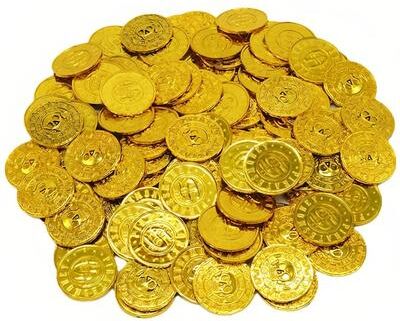
Uplift Treasures Retro Pirate Treasure Coins Party Favor Set gold 50pcsProduct Description: Add excitement to your pirate adventures with these retro pirate treasure coins. Perfect for treasure hunts, birthday parties, Halloween events, classroom rewards, cosplay, and party favors, these realistic plastic coins make...58,97 $*Shipping: 0,00 $Secure redirect to the provider
-
Why is there a beta-1,4-glycosidic bond in lactose?
The beta-1,4-glycosidic bond in lactose is formed between the glucose and galactose molecules. This bond is important because it determines the structure and properties of lactose. The beta configuration of the glycosidic bond in lactose allows for the formation of a specific three-dimensional structure that is essential for its function as a disaccharide sugar found in milk. This bond also influences the way lactose is digested by the enzyme lactase in the human body. **
-
How do you draw trehalose in a 2-11 glycosidic bond?
To draw trehalose in a 2-11 glycosidic bond, you would first draw two glucose molecules connected by an alpha-1,1 glycosidic bond. Then, you would add another glucose molecule to the first glucose molecule in the 2 position, forming a 1,2 glycosidic bond. Finally, you would add the last glucose molecule to the second glucose molecule in the 1 position, forming a 2,1 glycosidic bond. This structure represents trehalose in a 2-11 glycosidic bond. **
-
How do you draw trehalose in a 2-11 glycosidic linkage?
To draw trehalose in a 2-11 glycosidic linkage, start by drawing two glucose molecules connected by an alpha-1,1 glycosidic bond. Then, draw another glucose molecule connected to the first glucose molecule in the pair by an alpha-1,2 glycosidic bond. This creates the 2-11 glycosidic linkage in trehalose. The resulting structure should show three glucose molecules connected in a linear fashion with the 2-11 glycosidic linkage between the first and third glucose molecules. **
-
What are the differences between an ester bond and glycosidic formation?
An ester bond is formed when a carboxyl group of one molecule reacts with a hydroxyl group of another molecule, resulting in the formation of an ester and the release of water. This type of bond is commonly found in lipids and is important for energy storage. On the other hand, glycosidic formation involves the bonding of a sugar molecule to another molecule, typically another sugar or an alcohol, through the reaction between the anomeric carbon of the sugar and a hydroxyl group of the other molecule. This type of bond is important for the formation of carbohydrates and is commonly found in polysaccharides such as starch and cellulose. **
* All prices are inclusive of VAT and, if applicable, plus shipping costs. The offer information is based on the details provided by the respective shop and is updated through automated processes. Real-time updates do not occur, so deviations can occur in individual cases. ** Note: Parts of this content were created by AI.